OUR STORY
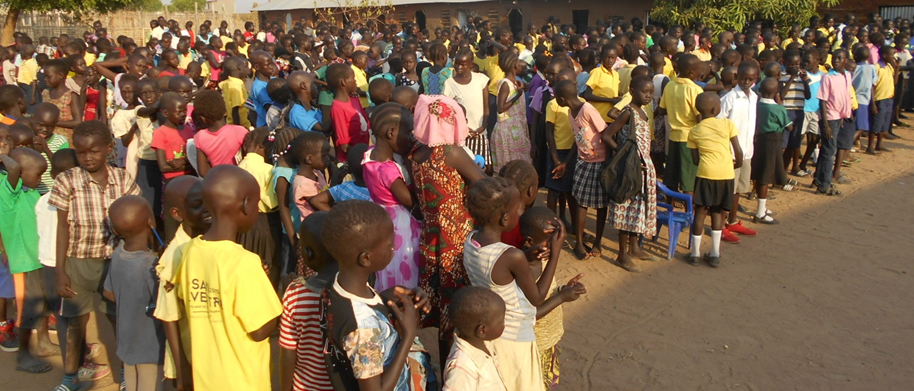
In 2011, Rev. John Deng Ater took a mission trip to then autonomous Southern Sudan, which later seceded from Sudan and became the independent Republic of South Sudan on July 9, 2011 after decades of African’s longest civil war that claimed millions of lives. The heart-rending stories from orphaned, street and abandoned children compelled Rev. Ater to initiate the Orphans’ Scholarship Program. The goal was to provide financial assistance for education and care to South Sudanese orphaned, street, abandoned and at-risk children who are living in refugee camps (Kenya and Uganda).
In 2013, the program was extended to South Sudan with its first headquarters located in Yei, Central Equatorial State. But, following a political crisis in 2016, Yei was seriously affected and left with no access to humanitarian aid and other means of survival. As insecurity intensified, the organization was left with no choice but to evacuate children along with their caretakers to Juba, the place now considered to be home for these disadvantaged children.
Return to top↑
How NOC Finds and Adopts Children:
“Do not withhold good from those who deserve it, when it is in your power to act. Do not say to your neighbor, “Come back later; I’ll give it tomorrow”-when you now have it with you” (Proverbs 3:27-28)
Although its priority is to help children who lost parents either through war or HIV/AIDS, etc., Nile Orphan Care finds it extremely difficult to turndown or stand by as a staggering number of children in war-torn South Sudan are wailing in the street and not knowing what tomorrow holds for them. For that reason, the organization has four ways to find and adopt children:
1) The organization’s assigned team: This team is responsible to find and invite children into the program.
2) Institutions: NOC works in partnership with other institutions to accept children who have undergone background checks with them
3) Communities: This method required us to work with leaders from diverse communities whom we believe to know the status of the child/children they are bringing to us. The integrity of these leaders is extremely important under this method.
4) Walk-ins: Under this category, orphaned, street, abandoned and at-risk children who heard about us can find their way to the center; explain their situation and desperately plea for help. With verification purpose, the assigned team for the organization carefully evaluates their lives stories and admits them in the program accordingly. The civil war in South Sudan has brought about unspeakable suffering, causing many people to live in abject poverty, forcing some families to abandon their children and leaving significant number of children preferred to live in the street than with parent(s) who beg at the roadside and have nowhere to sleep.
Return to top↑
Reunification Program (What about the parents?)
Under this program, Nile Orphan Care continues to work closely with communities or sponsored children for possibility of reunification with parent(s)/guidance. Although this program present challenges because some parents don’t want their children back or some children refuse to regress to life they escaped, the organization strives to create conducive environment and peaceful transition through training and counseling.